More Than A Smile
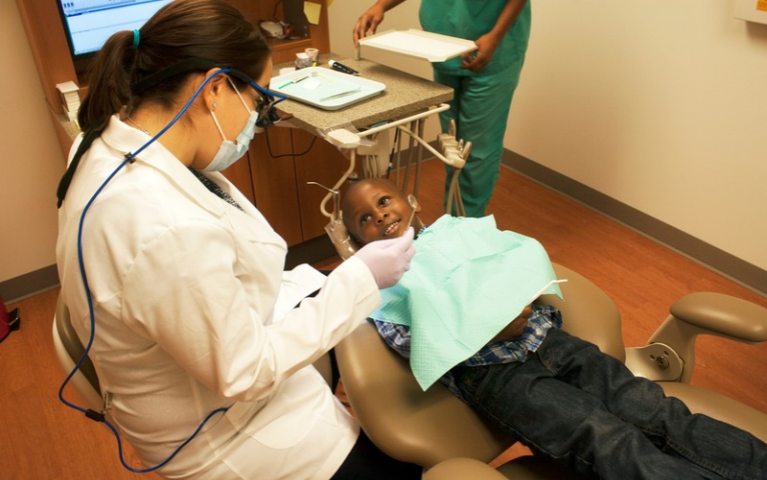
How Stephen Klein Wellness Center is restoring health and confidence for one patient at a time.
A toothache can be easy to ignore, until it isn't. What begins as a dull ache can quickly become sleepless nights, missed meals, difficulty speaking, or pain so severe that simply smiling feels impossible. For many people experiencing homelessness or financial hardships, those problems are often compounded by something else: the inability to access dental care in the first place.
At Project HOME's Stephen Klein Wellness Center (SKWC), oral health isn't viewed as separate from overall health. It's recognized as an essential piece of a person's well-being, dignity, and quality of life.
For over 10 years, the dental team has been helping patients reclaim more than healthy teeth; they've been helping restore confidence, reduce pain, and create healthier futures.
Since opening its doors in 2015, the SKWC has served more than 10,177 dental patients, growing from 248 patients in its first year to 1,706 patients in 2025 alone. Today, the practice cares for 1,737 currently enrolled patients and serves an average of 97 patients every week. This is a direct reflection of the tremendous need for accessible dental care and the trust the community has placed in the program.
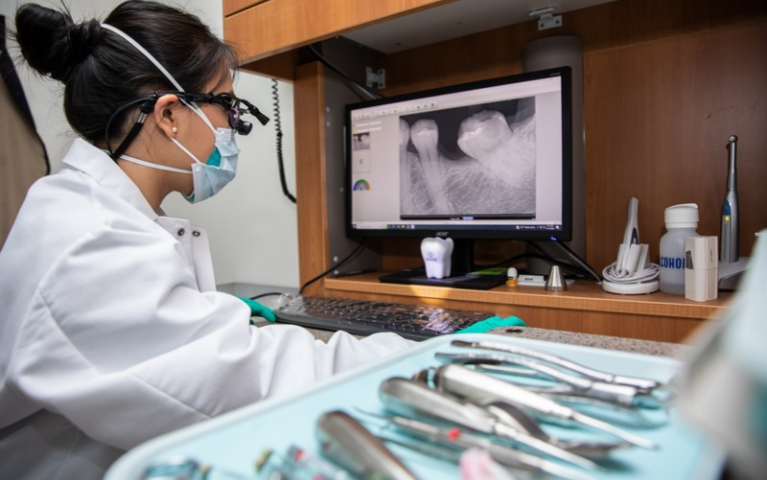
"Our goal has always been to provide really high-quality care for our patients," said Janine Burkhardt, Clinical Director of Dental Services, who has been with Project HOME since the dental department opened in 2015.
SKWC offers a comprehensive range of dental services for patients of all ages, from infants with their very first tooth to elderly adults.
Services include preventive exams and cleanings, fillings, crowns, bridges, dentures, extractions, emergency care and limited root canals. In fact, it is one of the only (and the first in our area) affordable dental practices to offer tooth preservation. While specialty services such as orthodontics and dental implants are referred elsewhere, the goal remains the same: ensuring patients receive the care they need in a welcoming, accessible environment.
What makes the experience unique isn't just the dental care itself; it's the way every aspect of a person's health is considered.
Located inside SKWC, the dental clinic works alongside primary medical care, behavioral health services, pharmacy, acupuncture, and other supportive programs, allowing patients to access multiple services under one roof. "We're really kind of one-stop shopping," Janine explained. "We have medical care, behavioral health care, dental care, the pharmacy, and other services all right here."
That integrated approach is especially meaningful for adults covered by Medicaid, who often face significant challenges finding providers willing to accept their insurance. "There aren't a lot of dentists that accept Medicaid for adults," Burkhardt said. "We're proud to be able to offer those services to our patients."
Removing barriers before treatment begins
For many patients, the first obstacle isn't always the procedure. It may simply be figuring out where to start.
New pediatric patients can often be scheduled within days, while most adult patients are able to secure a new patient appointment within about three weeks. Before ever sitting in the dental chair, patients receive support navigating insurance, Medicaid enrollment and financial assistance through the Wellness Center's benefits counselors.
Those without insurance aren't turned away. Instead, staff work alongside them to determine eligibility for Medicaid or establish an affordable sliding fee scale based on household income.
The first appointment is intentionally thorough. Patients meet with a dental assistant or hygienist to discuss their oral health history, home care routines, and personal goals before receiving X-rays and a comprehensive examination from the dentist. Instead of rushing into a treatment, the visit focuses on understanding each person's needs and developing an individualized care plan.
"We like to work with them on what's something they can do and kind of empower them to improve their own health," explains Janine. "They're going to spend a lot more time out of the office than they will in the office."
Compassion is part of the treatment plan
Many people may feel like going to the dentist is intimidating. For someone who has experienced trauma, homelessness, or years without access to care, it can feel overwhelming. That's why listening comes first. "One of the best things they can do is just tell us that they're afraid," says Janine.
Whether that means slowing down an appointment, explaining each step before it happens, postponing part of a procedure until another visit, or simply offering additional support in the room, the team works alongside patients, not ahead of them.
That approach has transformed countless experiences. Janine recalls patients who initially struggled to make it through an appointment because of severe anxiety, only to eventually complete their full treatment plans with confidence. One patient, she remembers, became so comfortable with the team that they would stop by simply to wave hello, even on days they didn't have an appointment. "I think that speaks a lot about how much they trust us with their oral healthcare," Janine describes. "As humans too, we work together."
Why oral health matters
The importance of dental care extends far beyond a person's teeth. "The mouth is a portal to the rest of the body," emphasizes Janine. She explains how research continues to show strong connections between oral health and conditions such as diabetes, cardiovascular disease, and pregnancy outcomes. When oral health is neglected, overall health often suffers as well.
Recognizing that connection, SKWC has intentionally integrated dental and medical care. Dental providers perform blood pressure screenings during nearly every appointment, helping identify patients who may have undiagnosed hypertension and connecting them with primary care providers when needed. Likewise, their medical providers perform oral health screenings.
The dental team also recently expanded tobacco cessation counseling. This proactive approach educates patients about how smoking affects both healing and long-term oral health. That emphasis on prevention is already paying off.
Over the past five years, 91.84% of Project HOME dental patients received dental sealants, dramatically outperforming the national average of 56.28%. They also perform fluoride varnishes to help prevent tooth decay before it becomes more serious, more costly, or additional problems arise.
Building healthier communities
Over the past decade, the dental department has grown from one dentist and one dental assistant into a complete, collaborative team that includes multiple dentists, hygienists, and dental assistants working together to expand access across Philadelphia.
Partnerships with Jefferson's Oral Surgery and Endodontics programs, Temple University's Kornberg School of Dentistry, and other healthcare providers further expand opportunities for patients with complex needs while also introducing future dental professionals to community-based care. The clinic also includes specialized operatories that allow patients who use wheelchairs to comfortably receive treatment without transferring from their mobility devices. This innovative way of thinking demonstrates how accessibility isn't simply a requirement, but a priority.
Behind every statistic is a person whose pain has eased, whose confidence has grown, or whose smile has returned. More than 10,000 patients later, that mission remains constant. Sometimes restoring someone's health can begin with something as simple and as powerful as helping them smile again.