More Than A Bed
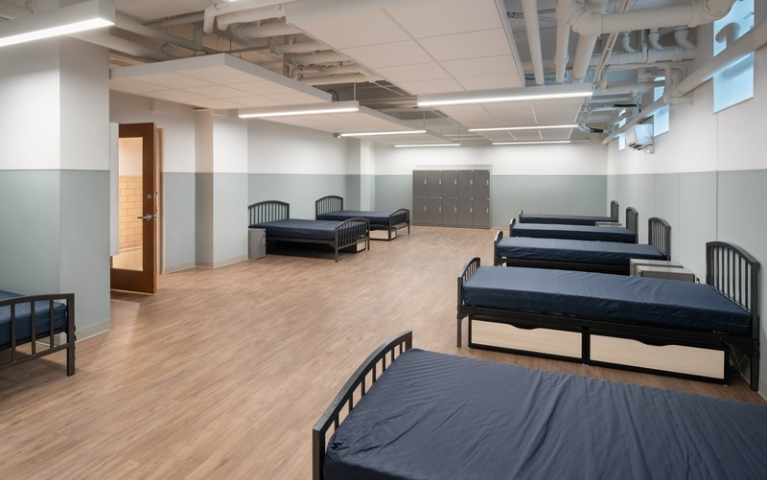
How Project HOME’s Respite Program Helps People Heal
The term respite may not be common knowledge for people outside of the homelessness sector. National Health Care for the Homeless Council It is often recuperative care, defined as short-term residential care for people experiencing homelessness who are too ill or frail to recover from a physical illness or injury on the streets or in a standard shelter, but who do not require continued hospital-level care.
At Project HOME, respite goes a step further. Through a unique partnership with local hospitals and healthcare providers, founded by MPOWER partners Pam Estadt and Ira Lubert, the Project HOME Collaborative incorporates respites that don’t just offer someone a place to sleep, it surrounds them with the support they need to recover, regain independence and begin rebuilding their lives.
Healing Doesn’t End at Hospital Discharge
For many people experiencing homelessness, leaving the hospital can be one of the most vulnerable moments in their recovery. Someone may no longer need a hospital bed, but they may still be recovering from surgery, learning to manage new medications, attending multiple medical appointments or adjusting to a life-changing diagnosis. Recovering on the streets, or even in a traditional emergency shelter, can make that nearly impossible.
That’s where the Project HOME Collaborative fills a critical gap. “Our respite beds are technically shelter beds,” Olivia Quinn, Director of the Project Home Collaborative explains, “but what we have included is much more wraparound medical care for people coming directly from the hospital.”
Hospital teams can refer eligible patients directly into designated respite beds, where they continue receiving coordinated support from the same healthcare professionals who cared for them during their hospital stay. At the same time, Project HOME staff help residents navigate daily life, connect to resources, and help patients begin planning for what’s next.
Recovery Looks Different for Everyone
Olivia recalls an unforgettable story of someone who had spent years living outside while battling severe leg wounds. Without a safe place to recover, they repeatedly returned to the hospital with worsening infections. Eventually, the complications became so severe that they required an amputation. After being discharged into a Project HOME Collaborative bed, everything changed.
This person had a safe place to sleep, three meals each day, help managing medications, transportation to appointments, support learning how to use a wheelchair, and people beside them every step of the way. They could finally focus on healing instead of simply surviving. “It’s really important that all these different systems work together to support people who have a lot of these complex needs,” Olivia says.
There’s No Stopwatch on Healing
Recovery isn’t something that can magically happen to everyone in 30 days. Many people entering a respite have gone for years without stable housing, regular healthcare, mental health treatment, or support for substance use recovery. Rebuilding their health takes time.
Olivia recalled another participant whose untreated diabetes and hepatitis C required months of medical appointments before their health stabilized enough to focus on other goals like replacing identification documents or applying for permanent housing. “They’re not going to be able to turn all of that around in 30 days or 90 days because they have been dealing with these ailments for years,” Olivia explains. “It can be a slow process for people to recover from everything that they’ve experienced while they were on the street.”
Rather than placing an artificial deadline on recovery, respites allow people to take the time they need to heal safely and build a stronger foundation for the future. Housing Is Healthcare
Today, the Project HOME Collaborative respite program includes 51 beds across three sites:
30 beds at Sacred Heart Recovery Residence
12 beds at Inn of Amazing Mercy
9 beds at Beacon House, operated by Prevention Point
Each location serves people with different needs while providing coordinated medical care, housing support, and connections to long-term services.
For Olivia, the Project HOME Collaborative represents something much bigger than housing alone. “I hope that we can continue to build relationships between our healthcare systems, our behavioral health providers, our substance use treatment providers, and housing,” she says. “We’re all working with a lot of the same individuals, and it works so much better when we’re all working together.”
When healthcare providers, housing teams and community partners work side by side, people have the opportunity to do more than recover from an illness. They have the chance to regain stability, rebuild confidence, and begin creating a healthier future. Sometimes, healing starts with something as simple, and as powerful, as having a safe place to recover.